Enkutatash: A New Year That Blooms Naturally
What I love about Enkutatash is that it doesn’t try to be loud. There’s no midnight countdown, no pressure to suddenly become a different person just because the calendar has turned. Instead, there’s a quiet change in the air.
The rains begin to stop. The sky clears. The yellow Adey Abeba flowers appear. Children gather in small groups and sing at doorways. Families cook, visit one another, and sit together.
It feels less like marking time passing, and more like noticing it. Maybe that’s what makes Enkutatash so beautiful.
You Hear the New Year Before You See It
One of the best parts of Enkutatash isn’t any single ritual it’s the sound of it.
Around neighborhoods, children move from house to house in small groups, singing traditional New Year songs. Their voices drift from one home to the next, becoming part of the atmosphere of the holiday. Homeowners welcome them, often giving coins, bread, or whatever they have on hand.
There’s something wonderfully simple about it. The children aren’t performing for a stage or a crowd they’re simply bringing the celebration to people’s doors.
It might remind you of caroling, but the feeling is different. Instead of marking the arrival of winter, these songs greet a new season: the rains have passed, the land is green, and the flowers are just beginning to bloom. For a moment, the whole neighborhood feels connected.
Beginning the Year With Reflection
For many families, the morning of Enkutatash begins with a visit to church a chance to pause and reflect on the year that has just ended: the things that brought happiness, the challenges that tested us, the people we gained, and the people we lost.
Before celebrating what comes next, there’s a moment to acknowledge what has already happened. Then comes the turning of the page: the old year is over, and a new one has begun.
When Ethiopia Turns Green and Yellow
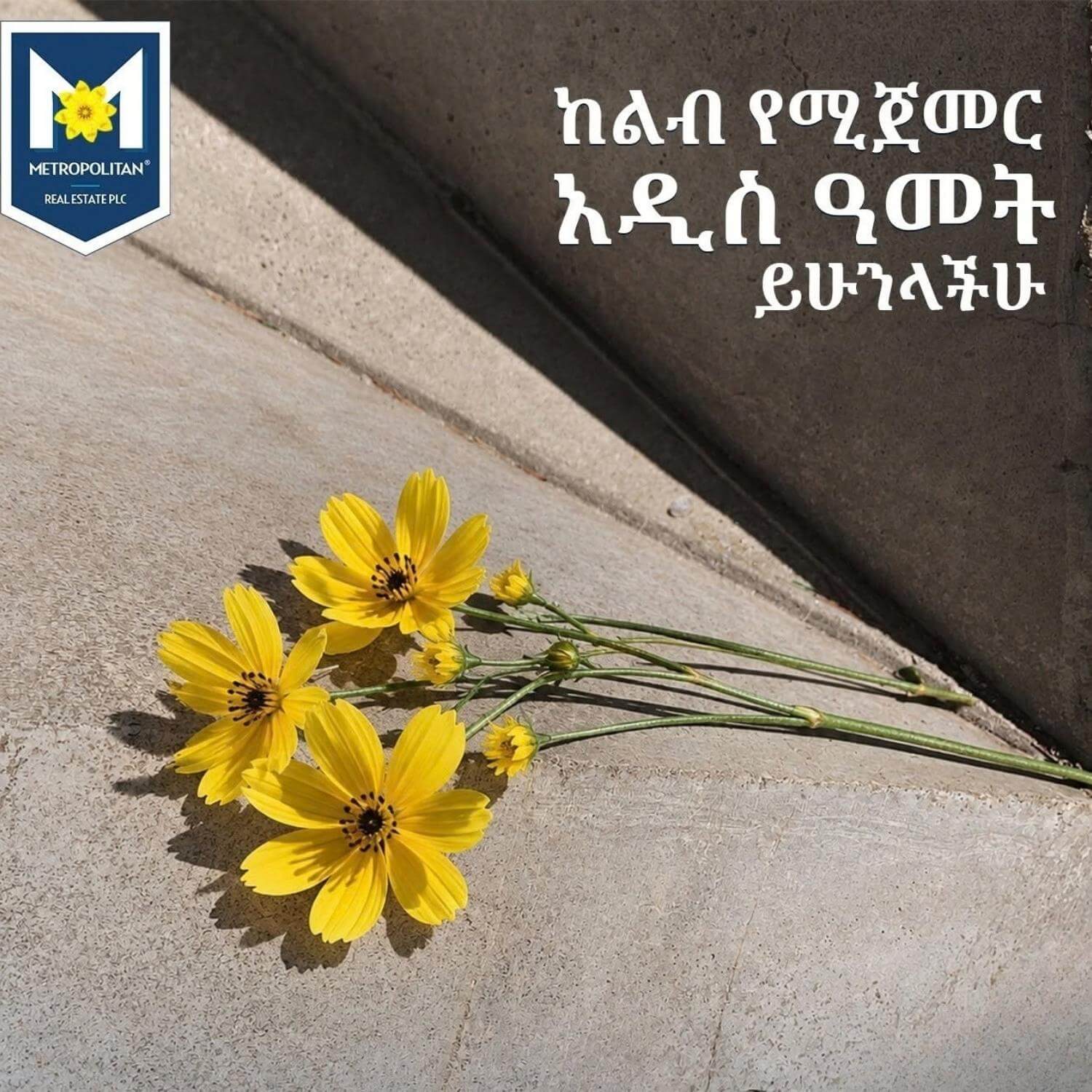
There’s a reason Enkutatash feels so connected to nature. It arrives at the end of the rainy season, just as Ethiopia begins to look completely different the countryside green, the air fresh, and the yellow Adey Abeba flowers spreading across the landscape.
These flowers have become one of the most recognizable symbols of the Ethiopian New Year. Children pick them, families decorate with them, and simply seeing them is often enough to remind you that Meskerem has arrived. It’s almost as if nature is celebrating alongside us.
A Celebration Around the Table
Eventually, the quiet morning gives way to food, conversation, and family. Enkutatash is a time to visit relatives, welcome guests, and share meals. Traditional dishes are prepared, coffee is served, and people sit together for conversations that often last far longer than planned.
It isn’t about going somewhere spectacular. It’s a plate of food shared around a table, coffee poured into small cups, children playing nearby, someone telling a story, someone laughing ordinary moments that make the holiday memorable.
More Than a New Date
Ethiopia’s New Year is different from the way many people around the world experience New Year’s Day. It doesn’t demand a dramatic reset.
The rain has stopped. The flowers have returned. The children are singing. Your family is together. And somehow, without much noise at all, a new year has arrived.
You don’t have to force a new beginning. Sometimes you simply have to notice that it has already begun.
A new year can be more than a new date. It can be the moment you decide to make a change to find a place that feels right, to create a space that reflects who you are, and to take the next step toward the life you want.
Because sometimes, a fresh start begins with something as simple as coming home to a new home.
Melkam Addis Amet! መልካም አዲስ ዓመት!
May the new year bring peace, happiness, good health, meaningful moments, and new beginnings to Ethiopia and Ethiopians everywhere.